
Modern life is faster, louder, and more demanding than at any other time in history. People move through their day carrying dozens of essential items—wallets, keys, phones, access badges, headphones, work cards, public-transport passes, power banks, even multiple bags.
In this constant motion, losing something isn’t unusual. It’s the new normal.
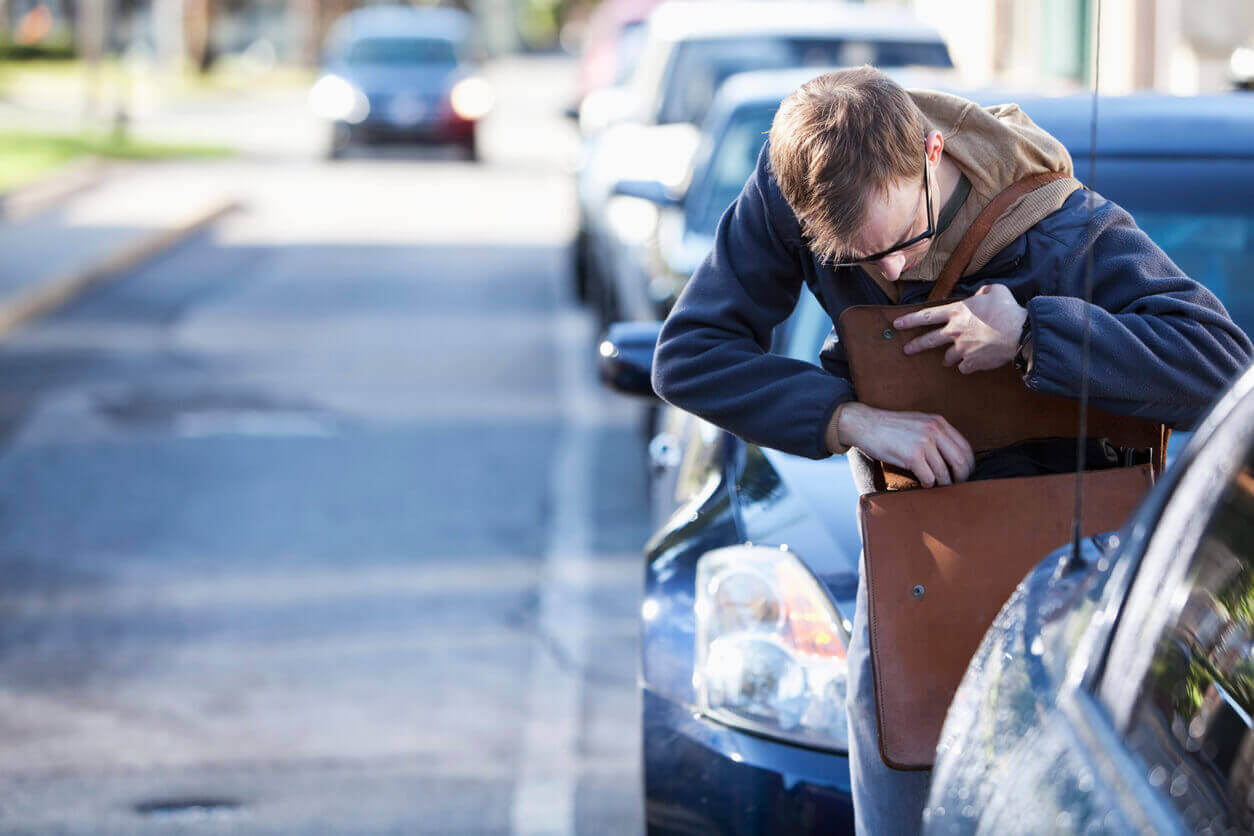
If you’ve ever spent ten minutes searching for your keys before leaving home, or realized too late that your wallet isn’t in your pocket, you’re not alone. Studies show that people today lose more items per year than previous generations, and the reason has nothing to do with carelessness. It has everything to do with the way modern life works.
This article uncovers the real reasons behind everyday loss—and how a single, discreet piece of technology can eliminate the problem entirely.
Why We Lose More Items Than Previous Generations
1. Life moves too fast for memory to keep up
Notifications, calls, conversations, commuting, multitasking…
Your brain jumps so quickly between tasks that it doesn’t form a memory of where you put things. You didn’t “forget”—you never stored the memory in the first place.
2. We carry double the essential items
Previous generations carried a wallet and maybe some keys.
Today the list is endless: cards, IDs, headphones, badges, chargers, work devices, transport passes, two phones, health cards, digital keys…
The more items you manage, the more items you misplace.
3. Constant transitions increase risk
Walking from the office to a meeting, from the car to the café, from the gym to the store…
Most objects are lost during these “in-between moments” because your attention is split.
4. Environments hide small objects
Airports, coworking offices, open-plan workplaces, cafés, conference rooms…
These places are visually cluttered. Wallets and keys blend into the background.
What People Lose the Most — And Why
Wallets
Handled quickly during payments and easy to set down for “just a second.”
Keys
Moved constantly between pockets, bags, tables, jackets, drawers—never staying in one place.
Phones
Left on café tables, inside cars, security trays, meeting rooms, or workspaces.
Access Cards & Work Badges
Thin, lightweight, and used dozens of times a day. Easy to forget, costly to replace.
Bags & Backpacks
Left behind during commutes, meetings, or rushed transitions.
The Hidden Cost of Losing Everyday Items
People underestimate the real impact of forgetfulness.
Lost Time
Hours every year wasted searching.
Financial Cost
Replacing locks, cards, IDs, devices, passes, headphones, power banks…
Emotional Stress
Panic, frustration, delays, uncertainty.
Productivity Loss
A forgotten badge or phone can disrupt an entire workday.
Simple Daily Habits That Immediately Reduce Loss
Give each item a “home spot”
One place for your keys, wallet, and phone—your brain remembers patterns.
Avoid placing items on table edges
It’s the #1 cause of café losses.
Use interior pockets for small essentials
They won’t fall out or blend into clutter.
Do a two-second check before leaving
Wallet, keys, phone. This alone prevents most losses.
How Modern Tracking Technology Finally Solves the Problem

Good habits help—but modern technology eliminates the problem.
A slim, silent tracking card like Neverlo’s fits inside wallets, bags, badge holders, passport covers, laptop sleeves, or work totes.
Once inside, it becomes an invisible layer of protection.
Instant Separation Alerts
If your item moves too far from your phone, you receive a vibration or sound alert.
This prevents almost all accidental losses.
Last Known Location
The app shows the last place your item was detected—ending the guesswork.
Loud Sound Signal
Perfect for items hidden under seats, inside bags, behind furniture, or between cushions.
Effortless, daily protection
No routines. No extra steps.
Insert it once—your essentials stay protected forever.
What To Do When You Lose Something Important
1. Retrace the last few minutes
Most items aren’t stolen—they’re forgotten.
2. Ask immediately
Cafés, offices, public transport, and coworking spaces often keep items temporarily.
3. Freeze cards or credentials
Modern banking and access systems allow instant freezing.
4. Use tracking data first
A digital trace saves time, stress, and unnecessary panic.
Final Thoughts
People don’t lose items because they’re irresponsible.
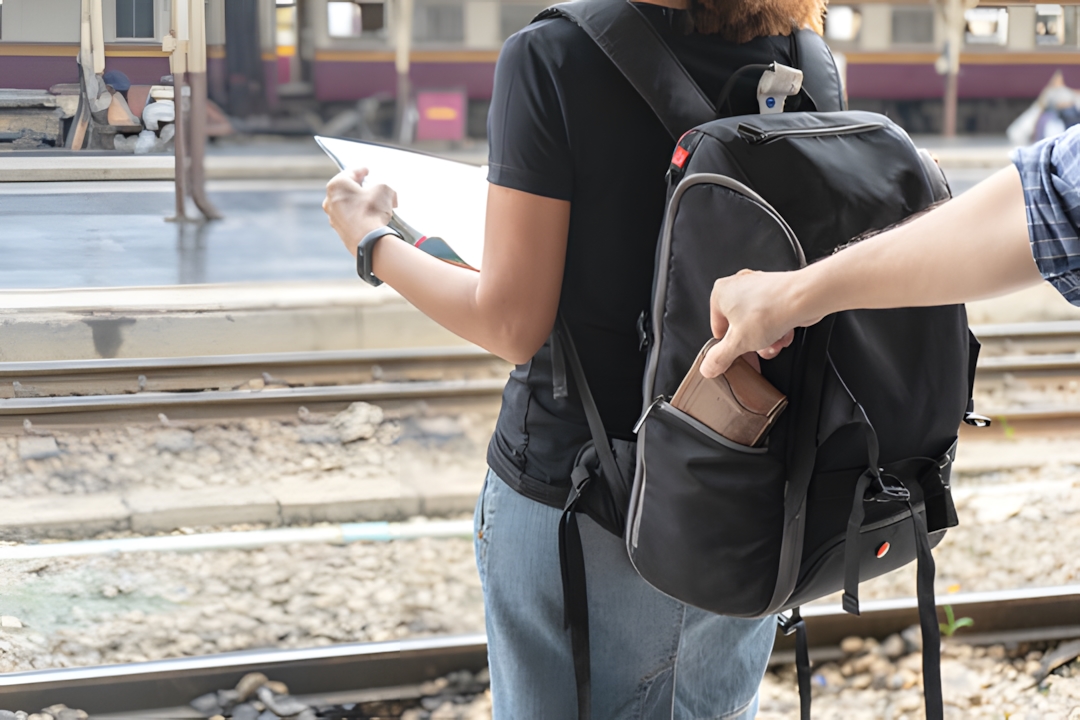
They lose them because modern life moves faster than the brain can track.
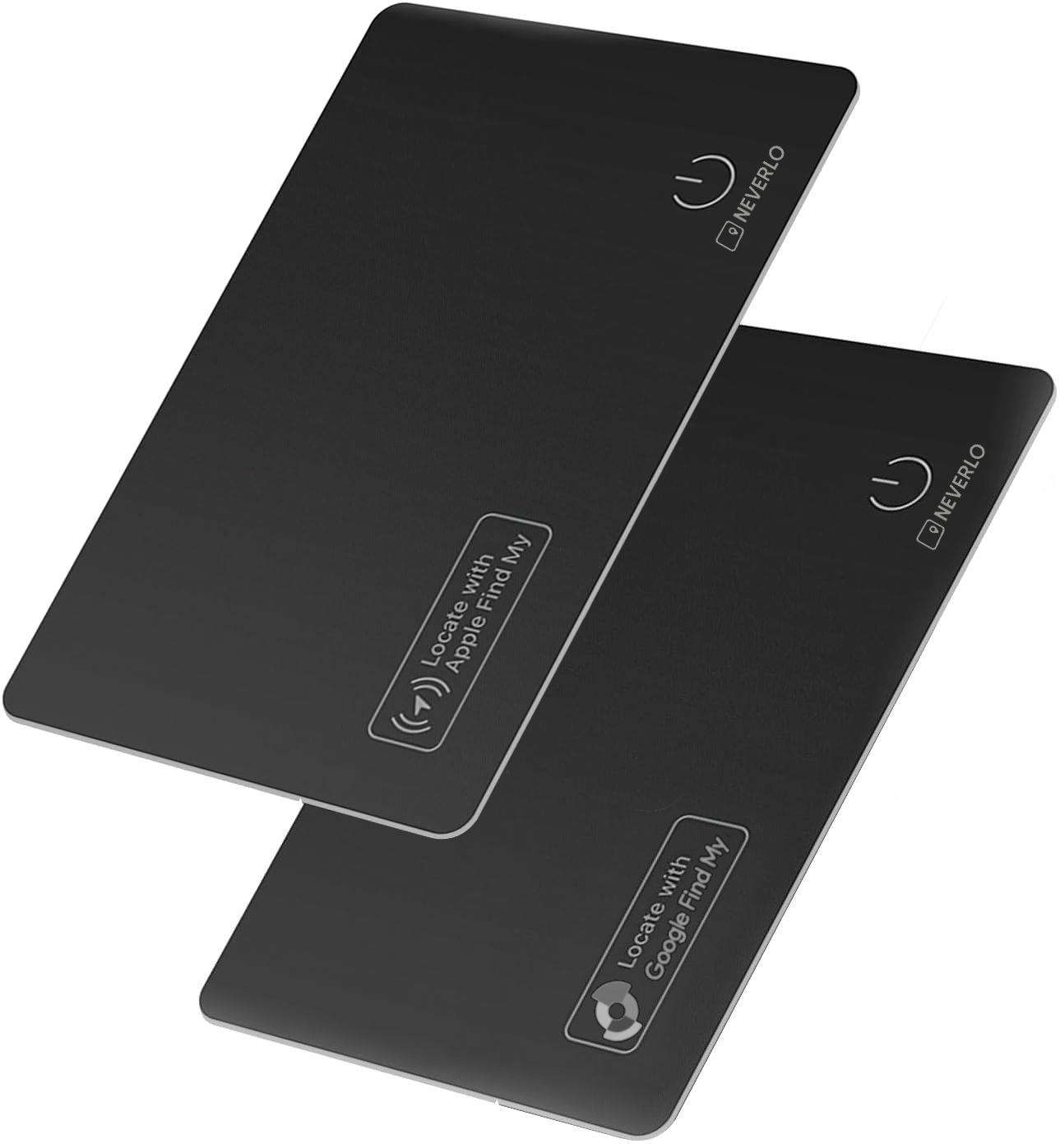
By combining simple habits with discreet tracking technology, anyone can dramatically reduce losses, protect their essentials, and save time and money.
A slim, silent card like Neverlo’s is more than a tool—it’s peace of mind.
An invisible layer of protection designed for the speed of modern life.