
Everyone has experienced it: you’re about to leave home, running slightly behind schedule, and suddenly your wallet isn’t where you thought it was. Your keys? Gone. Your work badge? Not in the bag you were sure you placed it in.
These moments feel random, but they aren’t. Neuroscientists, behavioral psychologists, and productivity experts agree on one thing: the human brain is not built to keep track of small, moving objects in a fast-paced world.
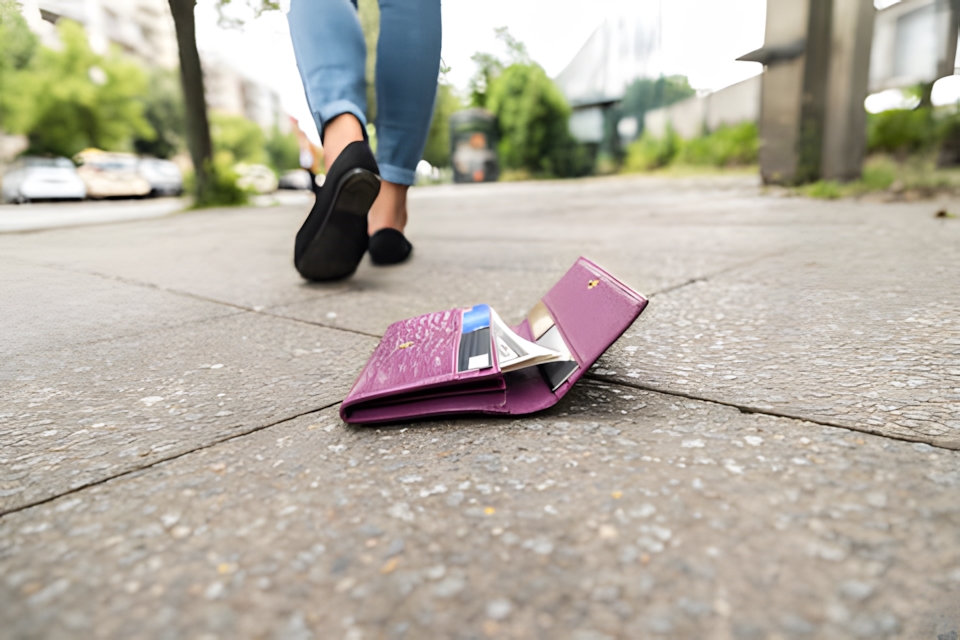
This article explains the real reasons behind everyday forgetfulness, why modern life increases the problem dramatically, and how a discreet smart-tracking tool can eliminate nearly all these losses without changing your routine.
Why Your Brain Misplaces Objects (and Why It Isn’t Your Fault)
1. The Brain Prioritizes Survival, Not Object Tracking
Human memory evolved to detect danger, people, and movement—not to remember where you left your access card after lunch.
Small items simply don’t register because your brain filters them as “low-priority.”

2. Routine Overload Creates Memory Gaps
The more steps a routine has—keys in pocket, badge in bag, headphones on table—the more micro-gaps appear.
When routines break (like rushing), the brain fails to store the “last known location.”
3. Stress and Multitasking Reduce Object Memory by Half
Studies show that multitasking reduces real-time memory formation by 40–50%.
That means when you’re answering a message while entering a café, your brain never actually records where you put your wallet.
4. Modern Life Generates More Objects To Track Than Ever
Phones, wallets, keys, access cards, work badges, headphones, chargers, laptops, passport holders…
Thirty years ago people carried 3–4 essentials. Today, most carry 10+.
More items = more chances to lose something.
The Objects Most Frequently Lost — And Why the Brain Fails to Track Them
Wallets
Handled quickly during payments → often placed down without awareness.
Keys
Moved constantly (pockets, desks, drawers, bags) → no stable “home location.”
Phones
Set down in cafés, security trays, cars, coworking spaces.
Access Cards / ID Badges
Thin, lightweight, used dozens of times per day → easy to forget in doors, desks, meeting rooms.
Bags and Backpacks
Left behind during transitions—airport security, taxis, restaurants, coworking spaces.
The Hidden Costs of Losing Things (Beyond Annoyance)
People underestimate how much forgetfulness drains their resources.
Time
On average, people spend 2.5 days per year searching for lost items.
Money
Replacing cards, locks, membership passes, headphones, work keys, ID badges—all adds up.
Productivity
A lost badge can delay an entire morning.
A missing phone can freeze an entire day of work.
Stress & Cognitive Load
Searching in panic elevates cortisol and disrupts focus long after the item is found.
Simple Behavioral Habits That Dramatically Reduce Losses
Give Every Item a “Home Location”
One pocket for keys. One compartment for wallet.
Consistency builds memory.
Avoid Leaving Items on Edges of Tables
Most café-related losses come from this single mistake.
Do a 3-Item Pre-Exit Check
Before leaving anywhere:
Wallet — Phone — Keys
It becomes automatic in a week.
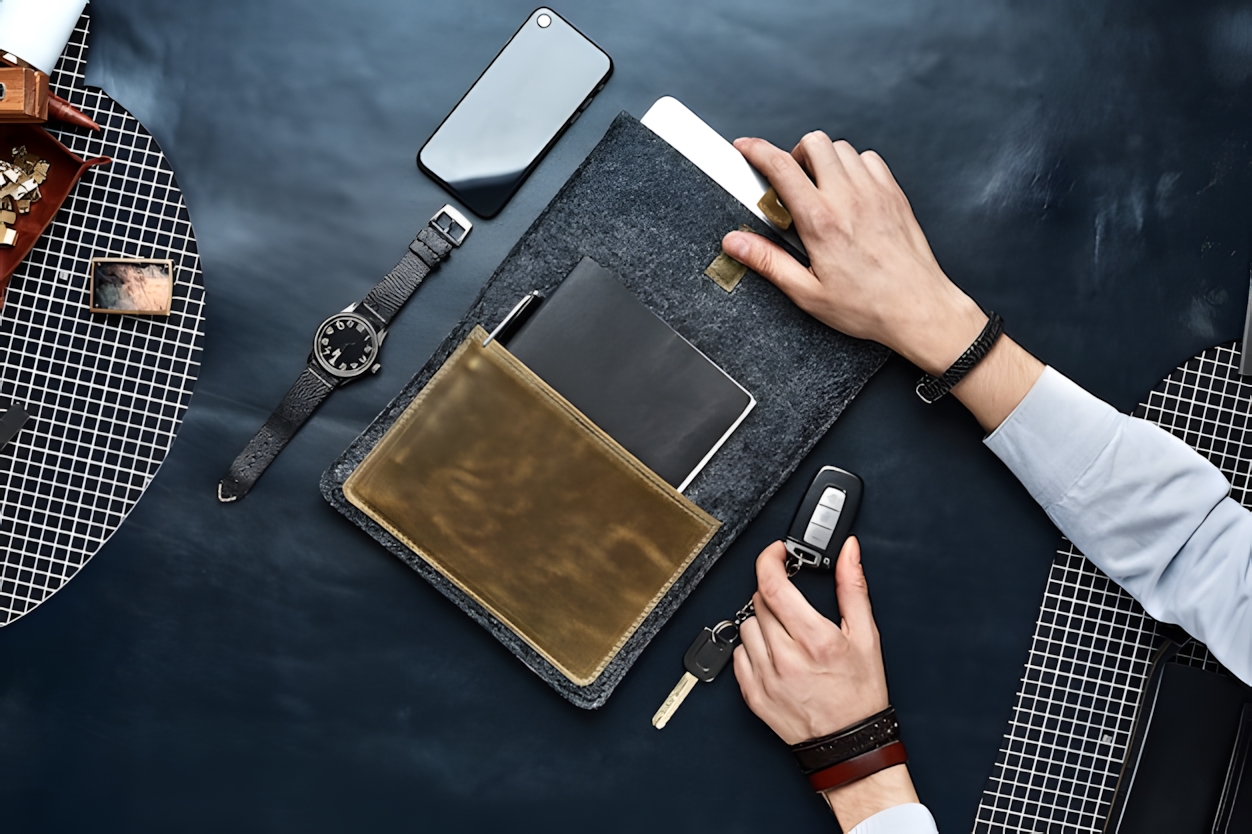
Use Interior Pockets for Small Essentials
Prevents objects from slipping out during movement.
The Smart Solution: Technology That Complements Human Memory
Even with good habits, life stays fast.
That’s where smart-tracking becomes transformational.
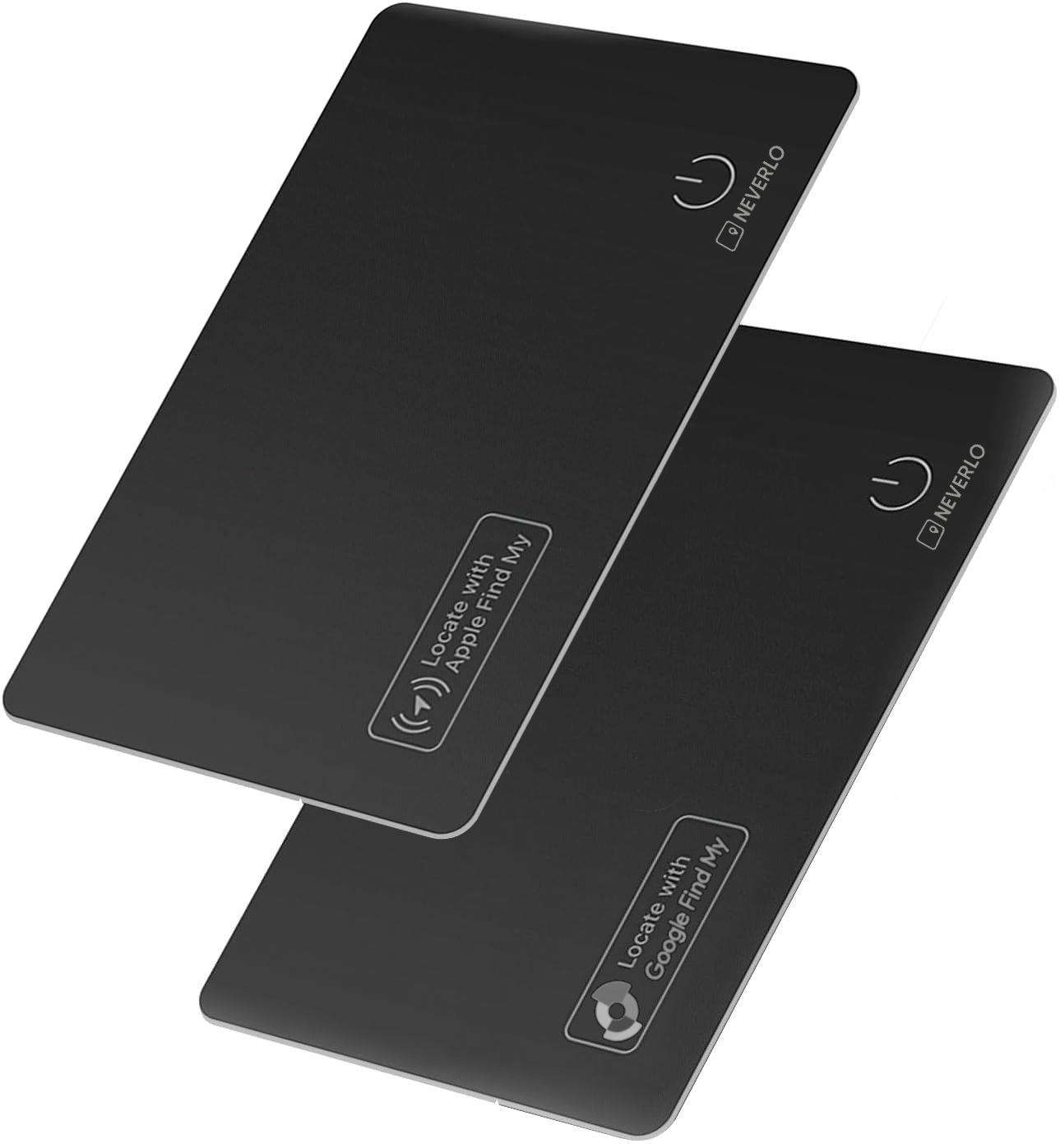
A thin, silent tracking card—like the one developed by Neverlo—fits inside:
- wallets
- work badges
- bags
- passport holders
- laptop sleeves
It stays completely invisible until you need it.

Instant Separation Alerts
If your item moves away from you, your phone notifies you instantly.
This alone prevents 90% of accidental losses.
Last Known Location
If you’re unsure where you left something, the app shows the last detected location.
Loud Sound Signal
Perfect for objects hidden under seats, between cushions, or mixed inside bags.
Hands-Off Daily Protection
No new habits.
No complicated routines.
Insert it once—it protects you every day.
What To Do When You Lose Something Important
Even the most organized people misplace things.
1. Retrace the Last 5–10 Minutes
Most items aren’t stolen—they’re forgotten.
2. Ask Staff Immediately
Cafés, shops, hotels, coworking spaces often store lost items.
3. Freeze Cards or Credentials
Modern apps allow instant freezes.
4. Use Tracking Data First
A digital trace solves the mystery faster than random searching.
Final Thoughts
Forgetfulness isn’t a personal flaw.
It’s the product of a fast, cognitively overloaded world.
By pairing simple daily habits with discreet smart-tracking technology, anyone can drastically reduce losses, save time, and avoid unnecessary stress.
A slim protection card like Neverlo’s works quietly in the background—keeping your essentials safe so your mind can focus on what truly matters.