
Every day, millions of people lose essential objects without realizing how much it affects their productivity, security, and peace of mind. Keys vanish between meetings. Wallets stay behind in cafés. Work badges disappear during commutes. Bags get forgotten in taxis, airports, or coworking spaces.
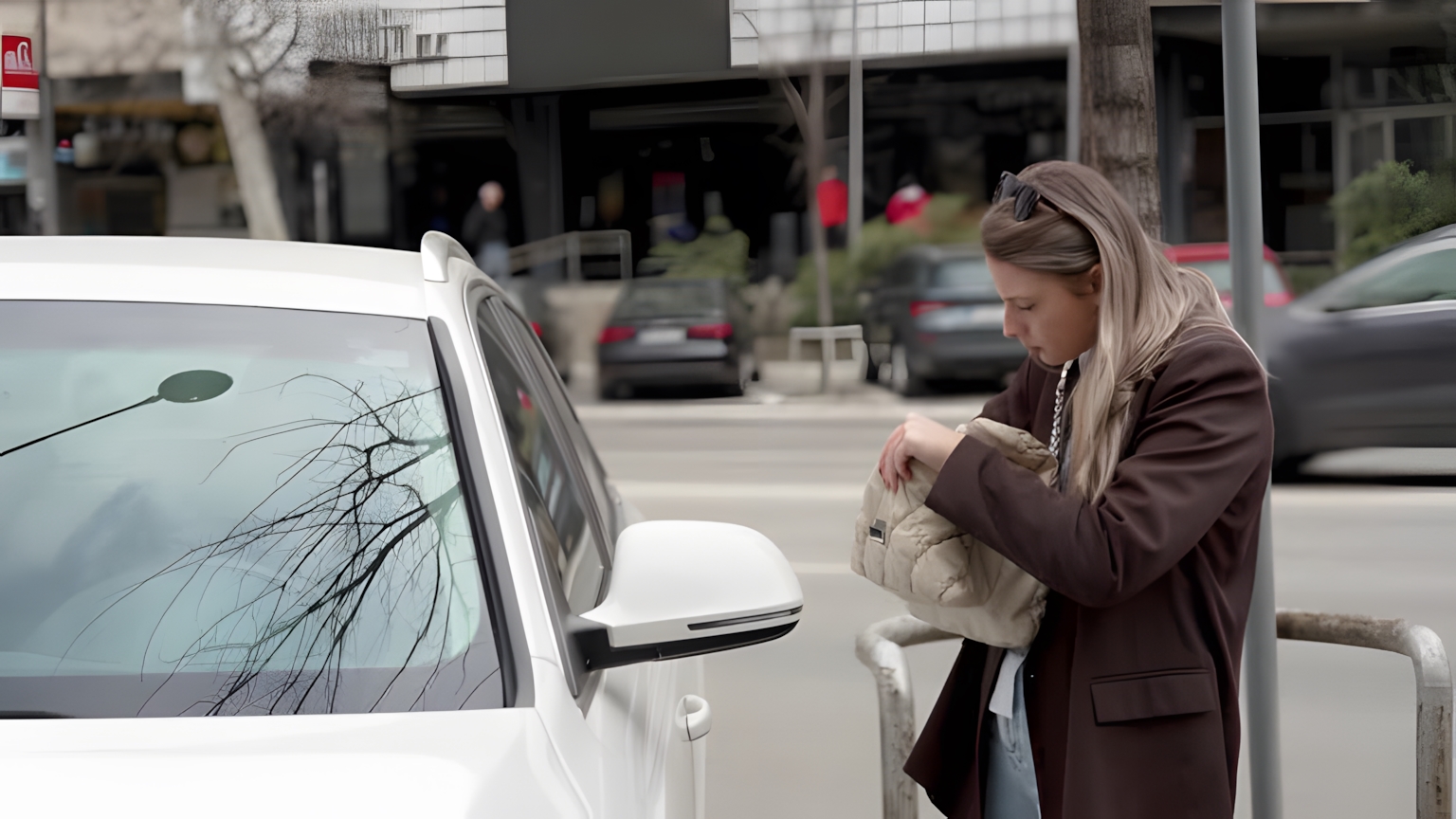
Most people blame themselves, but the truth is different: modern life is designed in a way that makes losing things almost inevitable.
This guide explains why individuals today lose far more items than previous generations — and how simple habits combined with discreet modern technology can drastically reduce these losses.
Why People Lose More Items Than Ever Before
Most losses don’t come from irresponsibility. They come from the pace of daily life.
1. Constant Mobility
People move from office to home, from public transport to cafés, from meetings to gyms. Each transition increases the chance of leaving something behind.

2. Too Many Small Objects
Wallets, cards, access badges, phones, headphones, keys, power banks — modern life requires more items than ever. Each one is easy to misplace.
3. Attention Fragmentation
Notifications, calls, messages, multitasking. The brain constantly switches tasks, creating “memory gaps” where objects are put down without awareness.
4. Visually Overloaded Environments
Open offices, airports, coworking spaces, cafés — all filled with similar colors, shapes, and furniture. Small items easily blend in.
The Items People Lose the Most — and the Real Reason Behind Each One
Wallets
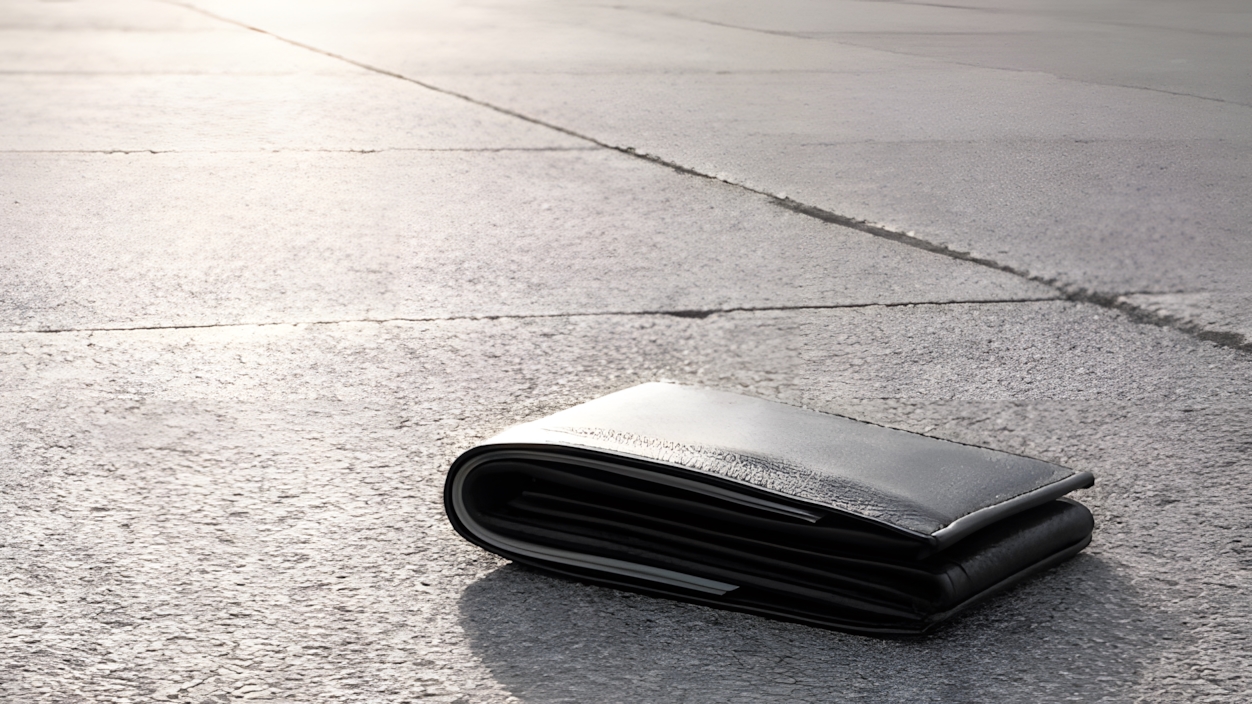
Small, dark-colored, and often handled quickly during payments. Most losses happen because they are set down “for just a second.”
Keys
They move constantly — pockets, tables, bags, jackets. Without a fixed place, they vanish easily.
Phones
Left on tables, in restaurants, at security trays, inside taxis, or in coworking rooms.
Work Badges and Access Cards
Thin, lightweight, and constantly used between doors. The perfect item to forget somewhere during a busy day.
Bags and Backpacks
Often left under tables, behind chairs, or inside transport compartments.
Simple, Daily Habits That Immediately Reduce Losses
These habits require no effort and work for nearly everyone.
Give Every Item a “Home Spot”
One drawer, one pocket, one section of the bag. The brain remembers patterns.
Do a Two-Second “Before You Leave” Check
Wallet — phone — keys. A quick mental scan before standing up.
Avoid Placing Items on Edges of Tables
Most restaurant-related losses come from this one mistake.
Use Interior Pockets for Small Essentials
This reduces the risk of things slipping out during movement.
How Modern Tracking Technology Eliminates Everyday Losses
Even with good habits, life gets busy. That’s where smart tracking becomes essential.
A slim, silent tracking card — like the one created by Neverlo — fits inside any wallet, badge holder, purse, or backpack. It stays hidden and passive until you actually need it.

Instant Separation Alerts
If your wallet or bag moves more than a few meters away, your phone vibrates instantly.
This single feature prevents the majority of accidental losses.
Last Known Location
If you can’t remember where you left the item, the app shows the last place it was detected — saving you time and stress.
Sound Alarm for Hard-to-Find Items
If something is nearby but out of sight (under a car seat, buried in a bag), you can trigger a loud beep to locate it quickly.
Invisible Protection for Everyday Life
No extra steps, no routines.
You insert the card once — it protects you forever.
What to Do When You Lose Something Important
Even organized people misplace items. Here’s the most effective recovery strategy:
1. Retrace the Last 10 Minutes
Most items aren’t stolen — they’re simply forgotten.
2. Ask Immediately
Cafés, hotels, coworking spaces, and shops often store found objects temporarily.
3. Freeze Payment or Access Cards
Most banking and company systems let you freeze a card instantly.
4. Use Tracking Data First
A digital trace dramatically reduces recovery time.
Final Thoughts
Losing items isn’t a personal flaw. It’s a consequence of the way we live today — fast, distracted, and constantly moving.
By combining simple habits with discreet smart tracking, anyone can protect their essentials, reduce stress, and save time every single day.
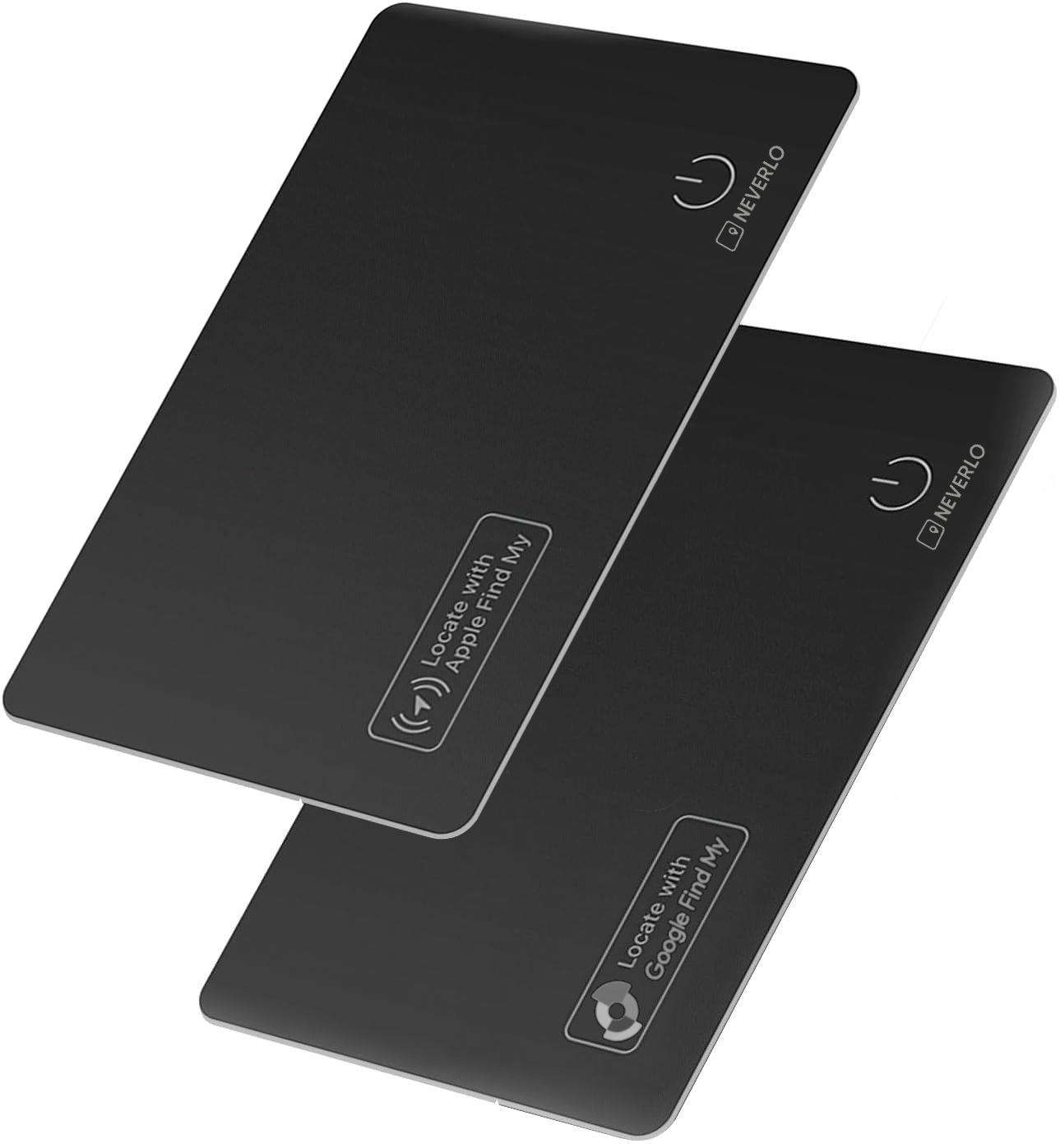
A slim device like Neverlo’s card gives you an invisible safety layer that works automatically in the background, helping you stay organized without changing your lifestyle.