
Losing things seems like a small inconvenience, yet it quietly disrupts millions of people’s routines every single day. A missing wallet delays an entire morning. A misplaced key forces a last-minute search before an important meeting. A bag forgotten in a taxi turns into hours of phone calls, cancelled plans, and unnecessary stress.

Most people think forgetfulness is just an occasional annoyance. In reality, it has a measurable impact on productivity, finances, and even mental well-being.
This article explores why modern life makes us lose more items than ever—and how simple habits combined with discreet technology can finally break the cycle.
Why Forgetfulness Has Become a Modern Problem
People aren’t more careless than before. The world around them has changed.
1. Life Moves Faster Than Our Attention
Workdays are fragmented: calls, messages, notifications, travel, errands, multitasking.
The brain jumps between tasks so quickly that objects get set down without forming a memory of where.

2. We Carry More Items Than Previous Generations
Wallets, cards, phones, headphones, ID badges, access cards, chargers, keys, work devices…
The number of essential objects people manage daily has doubled—so the chance of losing something doubles too.
3. Constant Transitions Increase Risk
From home to transport, from office to café, from meetings to errands…
Most items are lost during these “in-between moments,” when attention is divided.
4. Cluttered Environments Hide Small Items
Open offices, coworking spaces, airports, cafés—places full of similar furniture and colors.
Small objects blend in, making them easy to overlook.
Forgetfulness is not a flaw. It’s a natural reaction to an overloaded lifestyle.
What People Lose the Most — and the Real Cost Behind It

These everyday items are the most frequently misplaced, and each one creates a different set of problems:
Wallets
Replacing cards, ID, cash, transport passes, and membership cards takes time and money.
For many people, a single lost wallet disrupts their entire week.
Keys
Lost keys often require lock replacements or emergency locksmith visits—expensive and time-consuming.
Phones
Phones hold personal data, work information, photos, contacts, and daily tools.
Losing one results in security concerns and costly replacements.
Work Badges and Access Cards
A forgotten badge leads to reprints, temporary authorizations, and security procedures.
Companies lose time; employees lose access.
Bags and Backpacks
Often left in taxis, cafés, meeting rooms, or airports.
Replacing their contents can cost more than the bag itself.
The Hidden Costs No One Talks About
Most people underestimate what a “lost item” truly costs them.
1. Lost Time
The average person spends hours each year searching for misplaced items.
This time could be used productively—or simply enjoyed.
2. Financial Costs
Replacing cards, locks, transport passes, headphones, work equipment, or bags quickly adds up.
3. Emotional Stress
Searching in a panic, being late, or worrying about stolen data creates stress that lingers long after the item is recovered.
4. Productivity Loss
Missing tools interrupt routines. A forgotten badge disrupts a morning. A lost phone disrupts an entire day.
Forgetfulness has a real economic and emotional impact—even if it feels minor in the moment.
Simple Habits That Reduce Losses Immediately
You don’t need complicated organization systems.
Most effective solutions are surprisingly simple.
Give Each Item a “Home Spot”
A consistent place for keys, wallet, and phone reduces loss dramatically.
Avoid Placing Items on Table Edges
Most café-related losses come from items set down “just for a moment.”
Use Interior Pockets
Small items disappear easily when left in open compartments or outer pockets.
Do a Two-Second Check Before Leaving
A quick mental scan—wallet, phone, keys—becomes automatic over time.
How Smart Tracking Technology Solves the Problem Completely

Even with good habits, life stays fast. That’s why modern tracking tools are becoming essential—especially those that stay quiet and unobtrusive until needed.
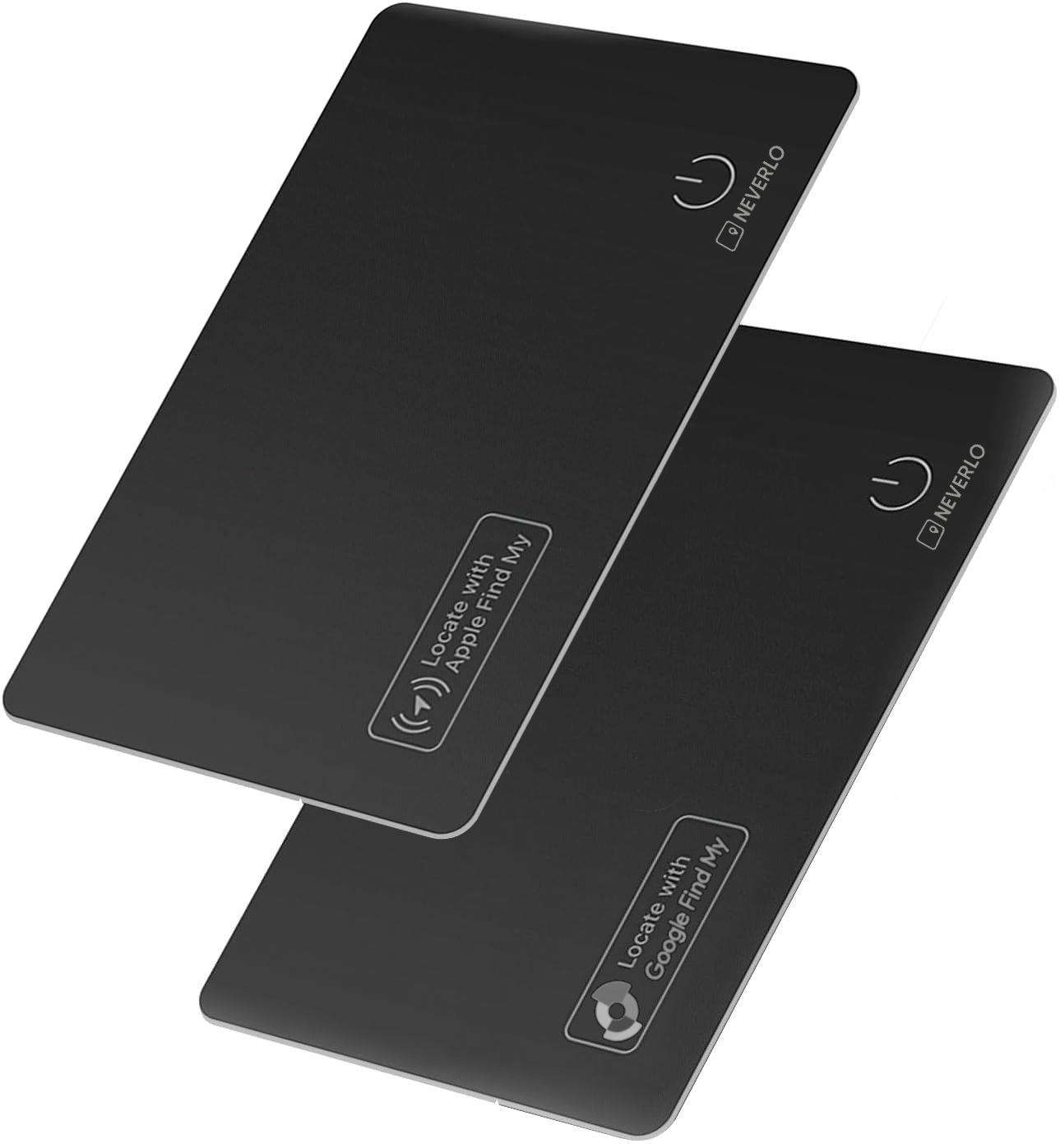
A slim tracking card from Neverlo can be placed inside:
- wallets
- bags
- badge holders
- passport covers
- laptop sleeves
Once inside, it works silently in the background.
Instant Separation Alerts
If your item moves too far from your phone, you get an immediate alert.
This alone prevents most accidental losses.
Last Known Location
If you don’t remember where you left something, the app shows the last detected place.
It eliminates guesswork and shortens the search dramatically.
Loud Sound Signal
Perfect for items hidden under chairs, in bags, behind furniture, or inside cars.
Effortless Daily Protection
No routines. No complicated steps.
Insert it once—your essentials stay protected every day.
What to Do When You Lose Something Important
Even with the best precautions, items sometimes disappear.
Here is the most effective recovery strategy:
1. Retrace the Last Few Minutes
Most items aren’t stolen—they’re forgotten.
2. Ask Immediately
Cafés, public transport, offices, and shops often hold lost items temporarily.
3. Freeze Cards or Access Credentials
Modern apps allow instant freezes to prevent misuse.
4. Use Tracking Data First
A digital trace leads you back to the item faster than searching blindly.
Final Thoughts
Misplacing things isn’t a sign of irresponsibility.
It’s the result of a lifestyle that moves quicker than our attention.
By combining simple daily habits with discreet smart technology, anyone can dramatically reduce losses, avoid unnecessary expenses, and enjoy their day with less stress.
A slim, silent smart card like Neverlo’s gives you a permanent layer of protection—without changing the way you live.
Modern life may be fast, but losing things doesn’t have to be part of it.