
Losing things is one of those small frustrations that can ruin an otherwise normal day. It happens to everyone, everywhere. You’re getting ready to leave, running a few minutes late, and suddenly your wallet isn’t where you thought it was. Your keys have vanished. Your bag isn’t in its usual spot. These small moments create stress, delay plans, and force you to stop everything to look for something you thought you had under control.
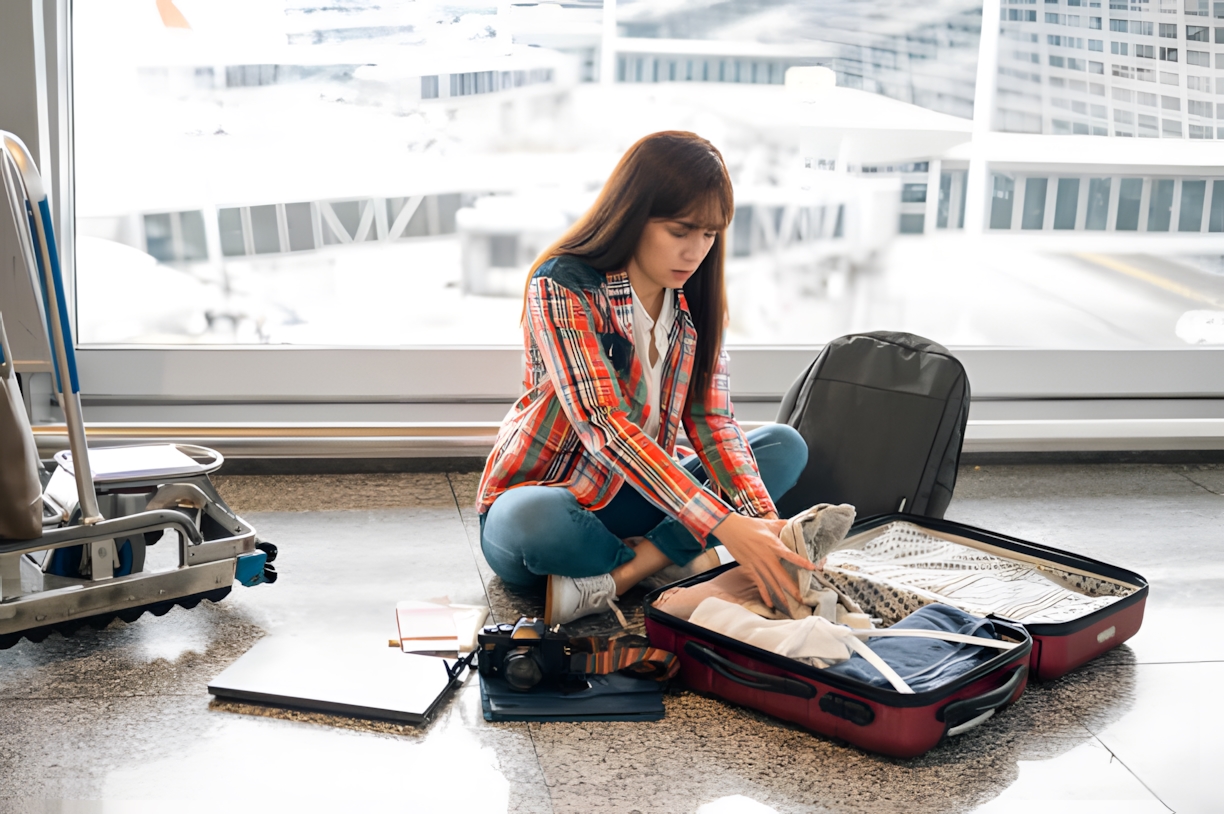
The truth is simple: people don’t lose items because they are careless. They lose them because everyday life is busy, fast, and full of small distractions. Understanding why these objects disappear — and how to prevent it — is the key to staying organized and avoiding unnecessary stress.
This guide breaks down the items people misplace the most, the real reasons behind these losses, and the modern tools that make it easier than ever to avoid them.
Why People Lose Things More Often Than They Realize
Most misplaced items aren’t lost forever—they’re forgotten in predictable moments.
When you’re tired, multitasking, or rushing, the brain switches into “automatic mode.” That’s when objects get left behind, dropped in unusual places, or mixed into bags and pockets without you noticing.
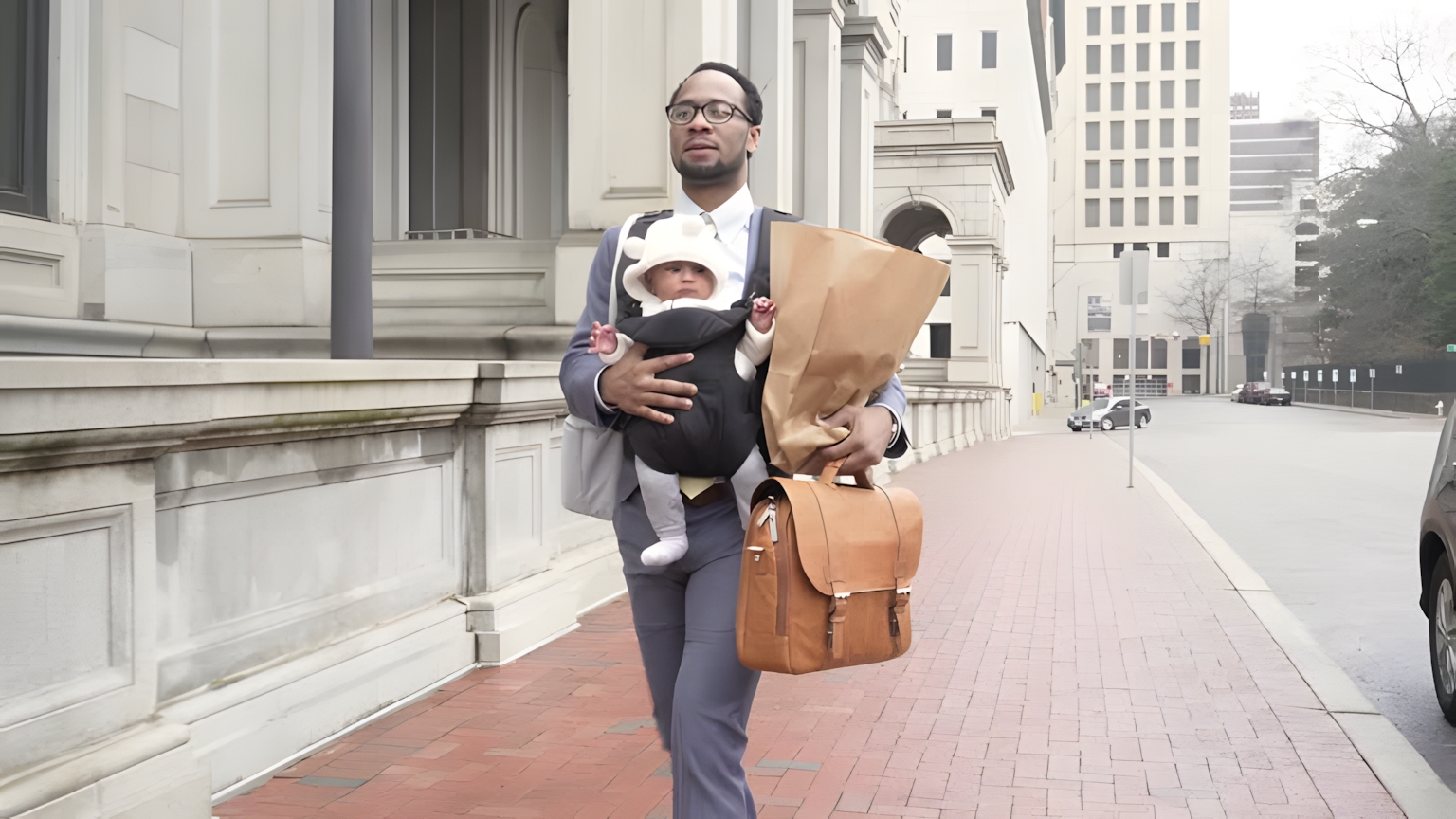
These are the three most common triggers:
Moments of Transition
Sitting down, standing up, switching bags, getting out of a car, or stepping off public transport. Small objects often slip out or get left behind during these quick movements.
Mental Distraction
Checking your phone, replying to a message, or thinking about something unrelated. Your hands move, but your attention doesn’t follow.
Visual Overload
Crowded spaces, travel environments, malls, airports — your brain filters out details, and small items easily blend into the background.
The Items People Lose the Most (And Why)
These everyday objects consistently top global lists of most-lost items — and the reasons behind each one are surprisingly similar.
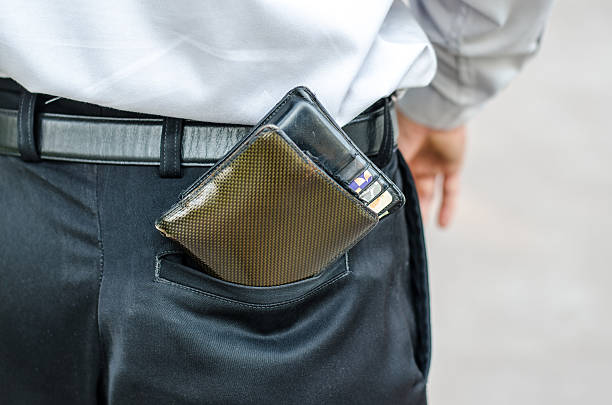
Wallets
Slim, often dark-colored, and easy to forget after paying. Wallets are also taken from pockets or bags when attention drops for a moment.
Keys
Keys disappear because they move constantly: pockets, drawers, bags, tables, jackets. Without a fixed “home,” they’re one of the easiest items to lose.
Phones
Despite being essential, phones are left behind at cafés, security trays, counters, or taxi seats every single day.
Backpacks and Handbags
Placed on chairs, under tables, or overhead compartments — then forgotten when leaving in a rush.
Travel Documents
Boarding passes, passports, and ID cards slip out of pockets during travel chaos or get left at check-in counters.
Simple Habits That Help Prevent Everyday Losses
You don’t need complicated organization methods. Small, consistent habits are enough.
Give Every Item a “Home”
Choose one spot for keys, wallet, and phone. Your brain learns fast when there’s consistency.
Don’t Place Things on the Edge of Tables
Most lost wallets and phones in cafés come from items placed too close to the edge.
Do a “Two-Second Check”
Before leaving a place, do a quick mental scan: wallet, keys, phone. It becomes automatic with practice.

How Smart Tracking Helps You Stop Losing Things for Good
Even with good habits, life gets busy. That’s where smart tracking tools change everything.
A thin tracking card — like the one developed by Neverlo — fits inside your wallet, bag, passport holder, or backpack. It doesn’t beep or buzz unless you activate it, and it stays quiet until you need it.
Separation Alerts
If your wallet or bag moves away from you, your phone notifies you instantly.
This alone prevents most losses in taxis, stores, airports, and restaurants.
Last Known Location
If you can’t remember where you left something, you can see the last place it was detected. This stops the panic and shortens the search.
Loud Sound Signal
If the item is nearby but out of sight — between cushions, under the car seat, mixed into luggage — you can make the card emit a loud beep to find it quickly.
A Simple, Invisible Layer of Protection
You don’t change your routine. The card stays inside your belongings, always ready for the moments when you need it most.
What to Do When You Lose Something Important
Even organized people misplace things. Here’s the most effective recovery method:
Retrace Your Steps
Most items are not stolen; they’re left behind somewhere you sat or stopped.
Ask Immediately
Cafés, hotels, airports, and stores often keep lost-and-found items temporarily.
Freeze Your Payment Cards
Modern banking apps let you freeze a card with one tap to block unauthorized payments.
Use Technology First
Your tracking app will guide you to the item’s last location, saving time and avoiding unnecessary stress.
Final Thoughts
People lose items because life moves quickly — not because they are careless. By understanding the everyday moments that lead to loss and using simple habits alongside modern tracking
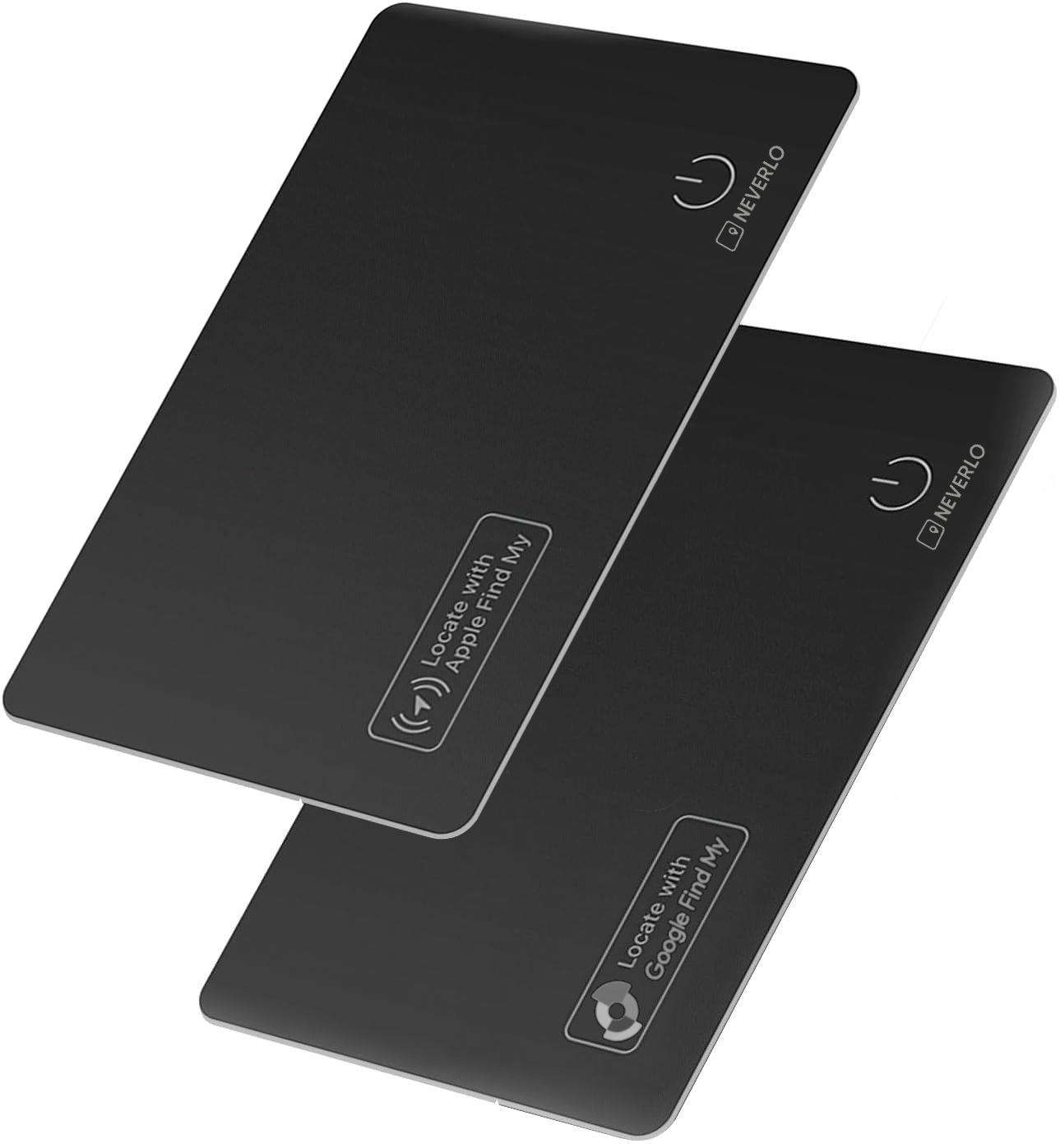
technology, you can dramatically reduce stress and protect the things you use every day.
A slim smart card like Neverlo’s offers a discreet way to stay one step ahead, so you can focus on your day instead of searching for your wallet, phone, or keys.