
Traveling should feel freeing. Whether you’re exploring a new city, walking through a busy airport, or taking the subway to your hotel, the last thing you want to think about is losing your wallet or dealing with a pickpocket. Yet every year, thousands of travelers report stolen bags, missing passports, and misplaced valuables—and most of these situations happen during small, forgettable moments.
The good news is that staying safe doesn’t require paranoia or complicated routines. It’s about simple habits, awareness, and using smart tools that quietly protect you in the background. This guide brings together practical steps that experienced travelers rely on, along with a look at how modern tracking technology can make a real difference.
Why Travel Creates the Perfect Conditions for Theft and Loss
When you’re away from home, your attention is pulled in many directions. You’re navigating unfamiliar transport, checking directions, taking photos, rushing through terminals, or carrying extra bags. That split focus is exactly what pickpockets depend on.
Crowded Transport Hubs
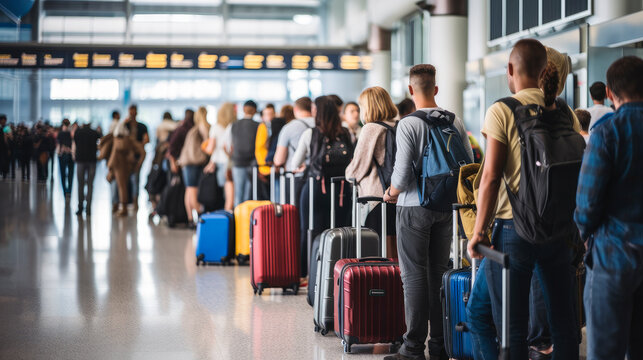
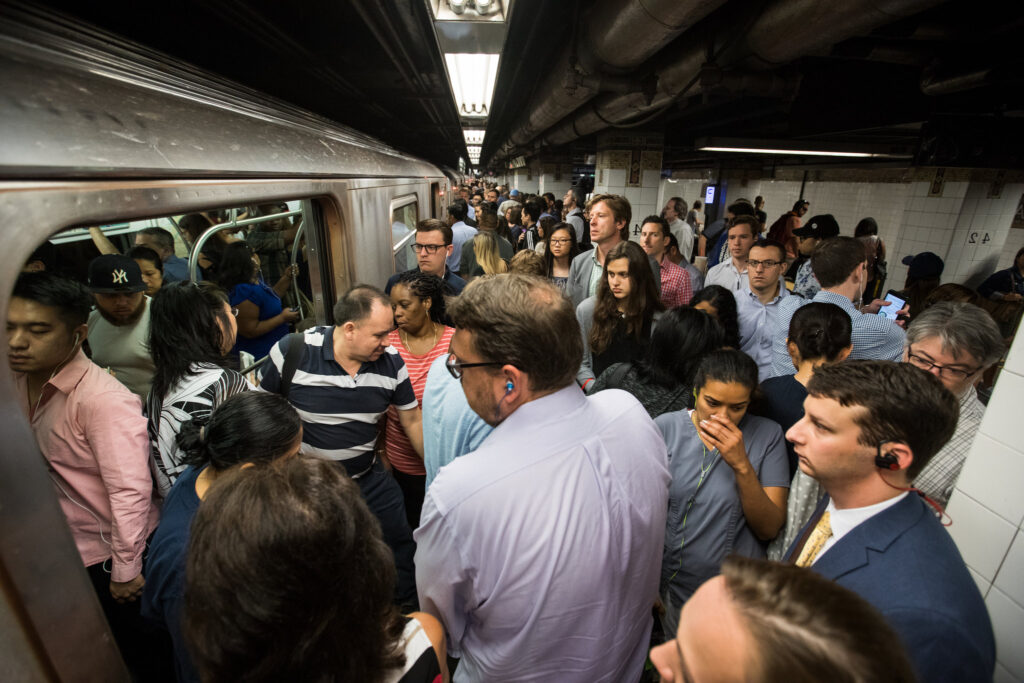
Airports, train stations, and metro lines concentrate people in tight spaces. Between luggage, tickets, phone notifications, and time pressure, it becomes easy to lose track of your things.
Tourist Areas and Attractions
Busy squares, markets, monuments, and festivals create an environment where people are distracted and often carrying more valuables than usual.
Moments of Transition
Checking in at a hotel, paying at a café, stepping off a bus, or adjusting your backpack—these are the moments when items are forgotten or taken without you noticing.
Common Travel Habits That Put Belongings at Risk
Most travelers unknowingly make life easier for thieves. These habits are typical, but they’re simple to change.
Using Backpacks Without Zipper Protection
Backpacks are convenient, but most models make it too easy for a quick hand to slip inside and take a wallet or phone without being noticed.
Keeping Everything in One Place
All cards, cash, documents, and keys inside a single wallet mean that losing it becomes a full-scale emergency.
Placing Bags on the Back of a Chair
Cafés and restaurants are classic hotspots for this mistake. A bag left hanging behind you becomes an easy target.
Leaving Phones on Tables
Many thefts happen in seconds—especially when a phone is placed on the edge of a table, barely within reach.
Practical Ways to Protect Your Belongings While Traveling
These habits are easy to adopt and can reduce most risks immediately.
Keep Bags in Front of You in Crowded Areas
In metros, stations, and marketplaces, wearing your bag across your chest is enough to discourage most pickpockets.
Use Hidden or Interior Pockets
Keep essential items like your main card, a bit of cash, and your passport in separate interior compartments.
Pay Attention During “Vulnerable Moments”
Taking photos, checking your phone, opening your bag, or getting off public transport—these are the moments when thieves act.
What to Do if You Misplace Something While Traveling
Even the most careful travelers lose items. Acting quickly helps minimize damage and increases your chances of recovering what’s missing.
Revisit the Last Places You Stopped
Most “thefts” are actually items forgotten at café tables, counters, seats, or inside open bags.
Freeze Your Payment Cards Immediately
Bank apps now allow instant card freeze features, which protect you from unauthorized use and can be reversed later.
Ask Staff at the Location
Many hotels, restaurants, and stores have a lost-and-found box, especially in tourist areas.
How Technology Makes Travel Safer Than Ever
Travelers today have a major advantage previous generations didn’t: smart tracking.
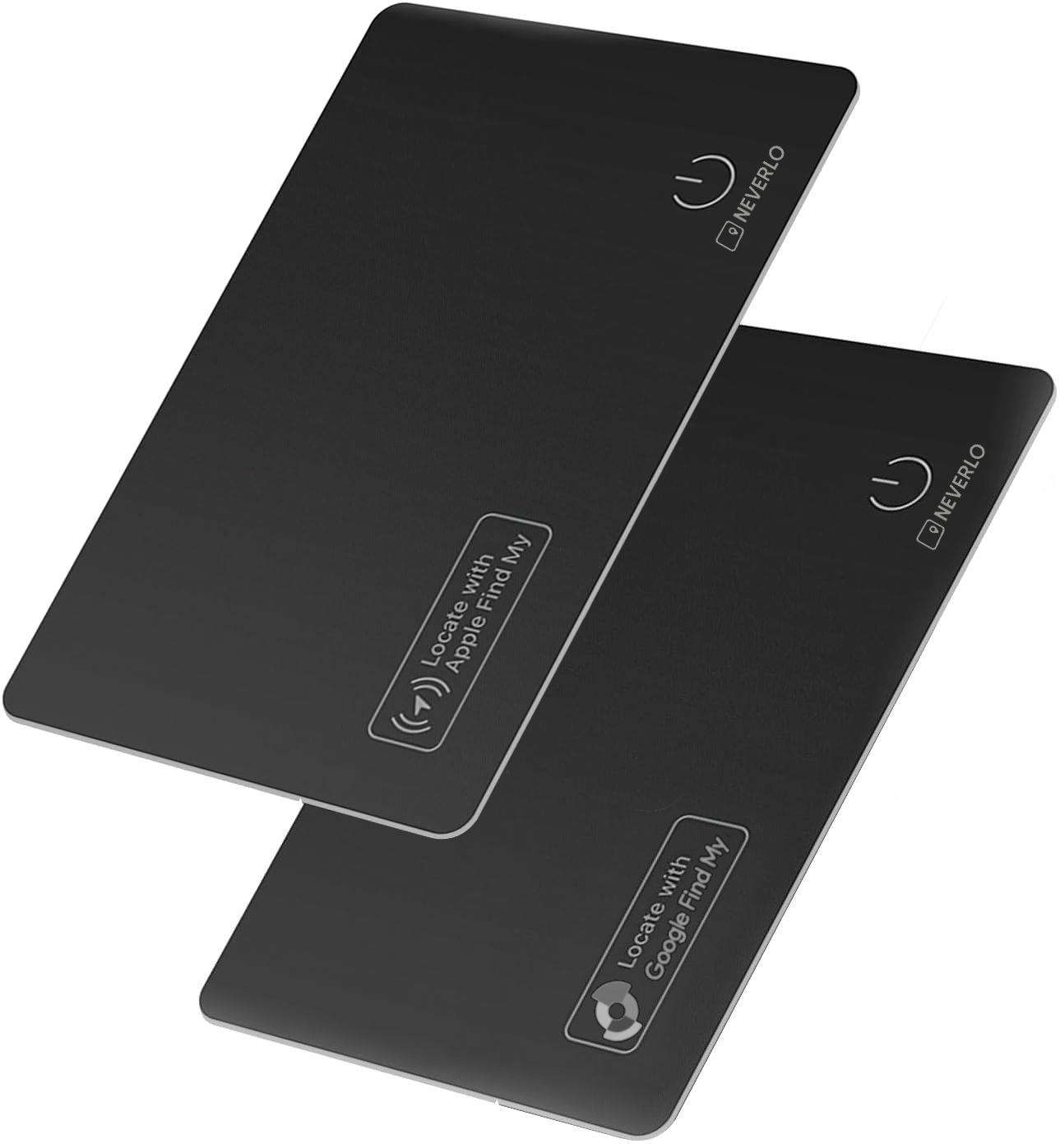
A thin, discreet tracking card—like the one developed by Neverlo—can sit inside your wallet, passport holder, purse, or backpack without adding bulk. It stays quiet in the background until you need it.

Instant Separation Alerts
If your wallet or bag moves more than a few meters from your phone, you receive an immediate notification. This alone prevents most accidental losses in taxis, airports, cafés, and stations.
Last Known Location
If you’re unsure where you misplaced something, the app shows the last place it was detected. This saves time and avoids searching blindly.
Loud Sound Signal
If an item is nearby but not visible—under a seat, inside a bag, between cushions—you can trigger a loud sound to locate it quickly.
Low-Stress Protection
The biggest benefit is simplicity. You don’t need new habits or extra gadgets. You just insert the card once, and it protects your belongings throughout your trip.
High-Risk Situations to Be Aware Of (and How to Handle Them)
In Airports
Keep your documents in a zippered compartment and stay alert at security trays—this is a common point of loss.
In Restaurants or Cafés
Never leave your phone on the table’s edge or your bag behind you. Keep belongings within reach.
In Public Transport
Stay away from doors when possible, and avoid leaving your backpack unzipped or loosely worn.
In Nightlife Areas
Bars and clubs are loud, crowded, and poorly lit—prime conditions for theft. Keep your phone and wallet in front pockets or zipped compartments.
Frequently Asked Questions
Is pickpocketing still common in major travel destinations?
Yes. Crowded, tourist-heavy cities report daily incidents. Awareness is your best defense.
Should I carry my passport everywhere?
No. Keep it in your accommodation unless required for identification.
Can a tracking card replace good travel habits?
It’s a support tool, not a substitute. It helps if you lose something or get distracted, but basic awareness is still essential.
Do separation alerts really help?
Yes. Most losses occur because people walk away without noticing. An instant alert prevents this.
Final Thoughts
Travel should feel exciting, not stressful. With a few simple habits and the help of modern tracking technology, you can move through airports, streets, and new cities with confidence. A
discreet smart card like Neverlo’s adds an extra layer of protection without complicating your trip—so you can focus on what matters: enjoying the experience.