
In most companies, security and efficiency depend on dozens of small items employees use daily: access cards, ID badges, corporate phones, key holders, laptops, and work bags. Although these objects seem minor, losing them triggers a chain of consequences that costs businesses far more than people realize.
Every forgotten badge forces an emergency reprint.
Every misplaced device requires a security protocol.
Every lost key demands lock replacements and downtime.

This problem doesn’t stem from negligence. It comes from the pace of modern work. Employees move constantly between meeting rooms, client visits, shared spaces, transportation, and remote work environments. With so many transitions in a single day, items are naturally left behind, mixed into bags, or set down “just for a second.”
Understanding why these losses happen — and using solutions designed for real working environments — can reduce operational costs, improve security, and save valuable time for teams and managers.
Why Work Environments Increase the Risk of Losing Essential Items
Workspaces are dynamic by nature. People move fast, switch tasks often, and carry items that look similar from one employee to another.
Fast-Paced Routines
Employees jump between calls, presentations, and tasks. When their attention shifts quickly, objects are set aside without creating a memory of where they were placed.
Shared and Hybrid Workspaces
Hot-desking, coworking rooms, and remote work mean items change environments frequently, making them easier to forget.

Travel and External Meetings
Client visits, conferences, and transport hubs increase the chances of leaving something behind in a lobby, waiting room, or airport tray.
Visual Overload
Open offices are filled with identical desks, chairs, and storage units. Small items blend in easily and are overlooked.
The Items Companies Lose the Most — And the Hidden Costs Behind Each One
ID Badges and Access Cards
Replacing one badge is inexpensive; the time spent waiting for access, however, interrupts productivity and requires IT or security involvement.
Key Holders
Lost keys often force companies to replace locks, reset building access, or issue temporary permissions.
Work Phones and Corporate Devices
Misplaced devices trigger immediate data-security protocols, increasing IT workload and raising compliance concerns.

Work Bags and Laptop Cases
Forgotten during commutes, lunches, or meetings, these items often contain sensitive information or essential equipment.
Practical Steps Companies Can Implement Today
These measures reduce risk without disrupting daily routines.
Assign a “Home Spot” for Critical Items
A consistent place — inside a drawer, a specific bag pocket, or a desk holder — trains the brain to remember.
Encourage a Two-Second End-of-Shift Check
Before leaving a meeting room, car, or office, employees quickly confirm: badge, phone, keys.
Use Secure Compartments for Sensitive Material
A small interior pocket keeps essential items separate from personal belongings.
Establish Clear Procedures for Found Items
A predictable lost-and-found workflow reduces time wasted searching.
How Smart Tracking Technology Transforms Workplace Security
Even with good habits, items still get lost. That’s why companies increasingly rely on technology designed to prevent unnecessary downtime.
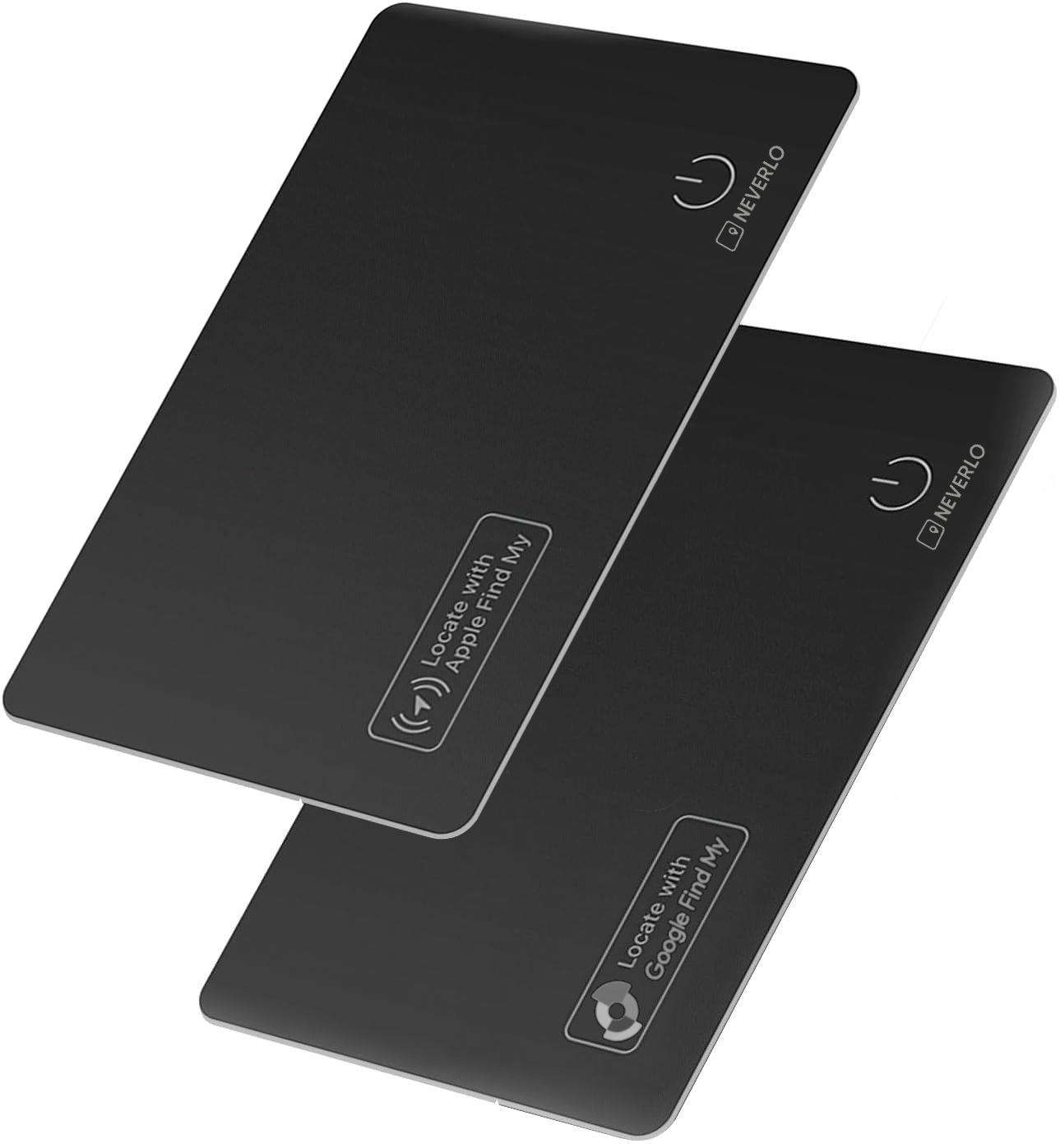
A slim tracking card — like the one offered by Neverlo — slips into ID holders, laptop sleeves, work bags, or corporate wallets. It operates quietly, activating only when it’s needed.

Instant Separation Alerts
If an employee walks away and their access card or device stays behind, the phone alerts them immediately.
This single feature prevents most accidental losses in offices, taxis, meeting rooms, and airports.
Last Known Location for Fast Retrieval
Security teams or employees can quickly identify where an item was last detected, reducing search time and avoiding unnecessary replacements.
Audible Signal for On-Site Searches
A loud sound helps locate items hidden under papers, behind monitors, or inside conference-room furniture.
A Low-Effort Layer of Corporate Security
No training required. No change in workflow.
A card that works in the background until it’s truly needed.
What Companies Should Do When an Employee Loses Sensitive Items
Retrace Movements Immediately
Most “losses” are simply items left in meeting rooms, cafeteria tables, car seats, or coworking areas.
Freeze Corporate Cards or Credentials
Most access systems allow temporary deactivation to avoid security risks.
Use Tracking Data First
A digital trace significantly reduces recovery time.
Maintain a Clear Reporting Protocol
The smoother the process, the less productivity the company loses.
Final Thoughts
Businesses don’t lose money because employees are careless. They lose money because modern work is fast, mobile, and fragmented.
By understanding the real causes behind misplaced items — and combining simple habits with discreet smart tracking — companies can significantly reduce expenses, protect sensitive information, and free teams from avoidable stress.
A slim tracking tool like Neverlo’s provides an invisible layer of protection that strengthens day-to-day operations, allowing organizations to function smoothly and securely.