
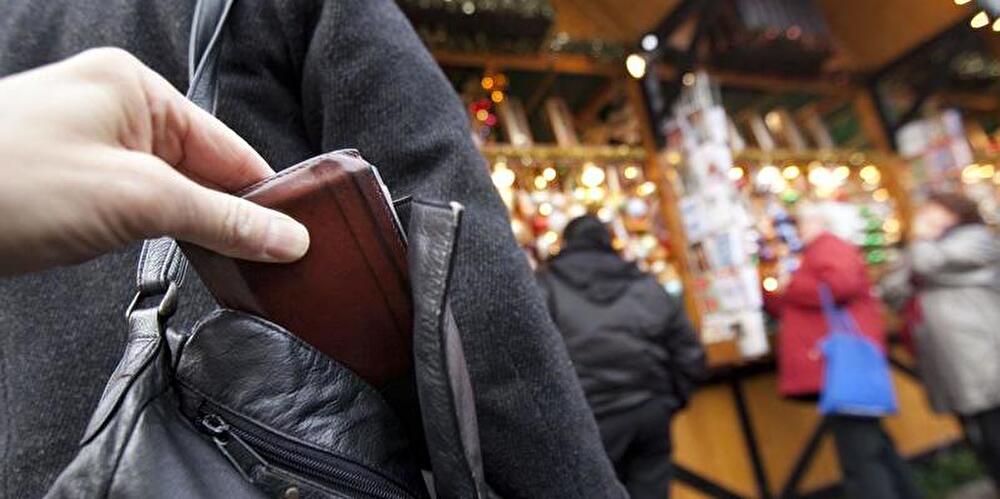
France is one of the most visited countries in the world. Millions of people travel through Paris, Lyon, Marseille, Nice or Montpellier every month, moving between metro stations, historic streets, café terraces and tourist landmarks. These environments are vibrant and full of life, but they also create ideal conditions for quick, silent theft or for simple accidental loss.
While pickpocketing is not unique to France, it is more common in areas where crowds, distractions and constant movement are part of everyday life. Understanding how these situations unfold — and knowing how to react if your wallet disappears — can save you time, stress and money.
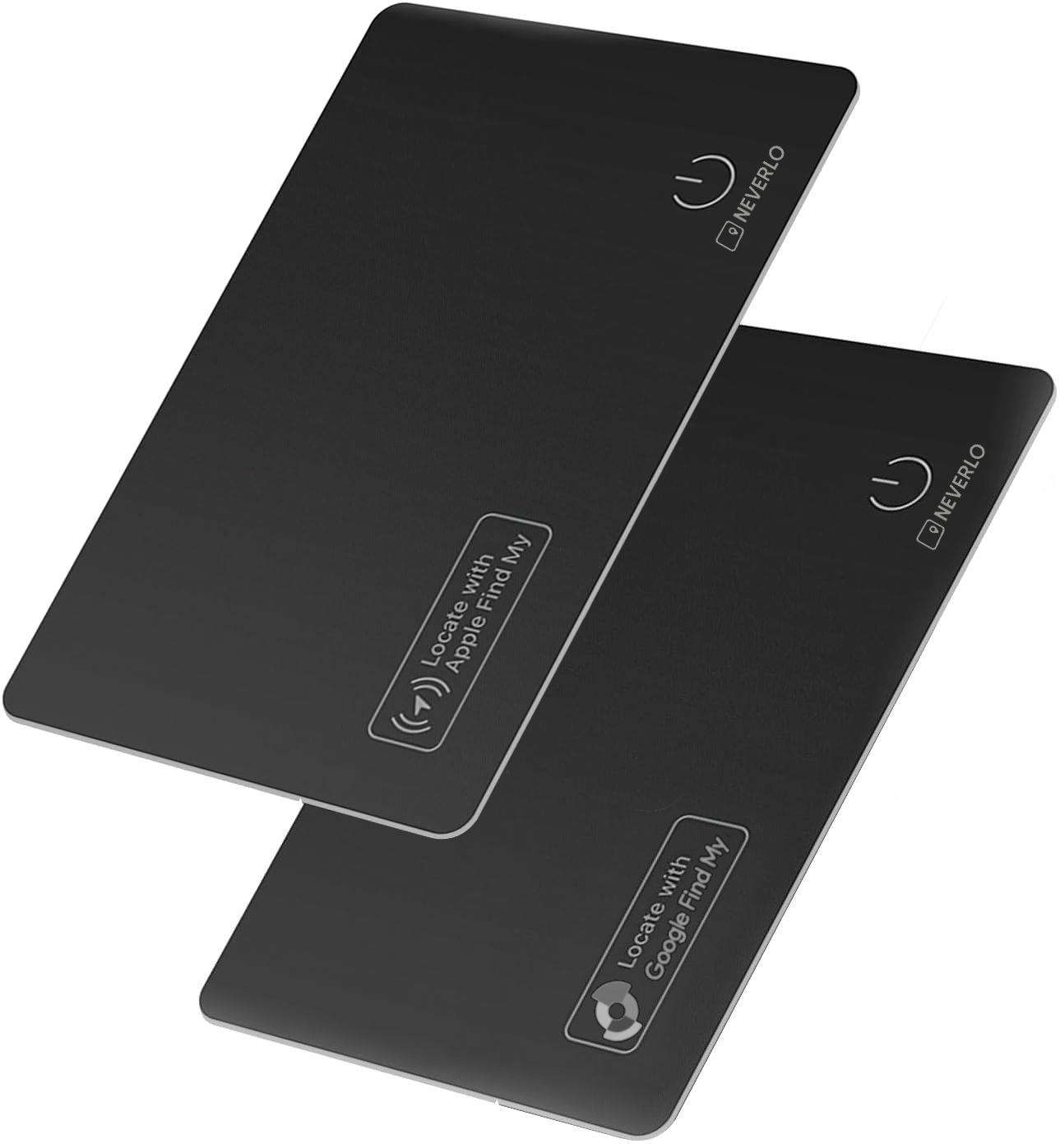
This guide offers practical, realistic habits to reduce the risk of theft, along with clear steps you can take immediately if you lose your wallet. It also explains how modern tools like slim tracking cards, such as those offered by Neverlo, can make recovery significantly easier.
Why Pickpocketing Still Occurs in France
Pickpockets rely on two simple conditions: people in a hurry and people distracted. Busy urban environments provide both constantly.
Crowded Public Transport
The Paris Metro, especially lines 1, 4, 7 and 13, becomes extremely crowded during peak hours. In these moments, close physical contact feels normal, and this is precisely when thieves operate. A zipped bag, a loose pocket or a momentary distraction is often enough.
Major Train Stations
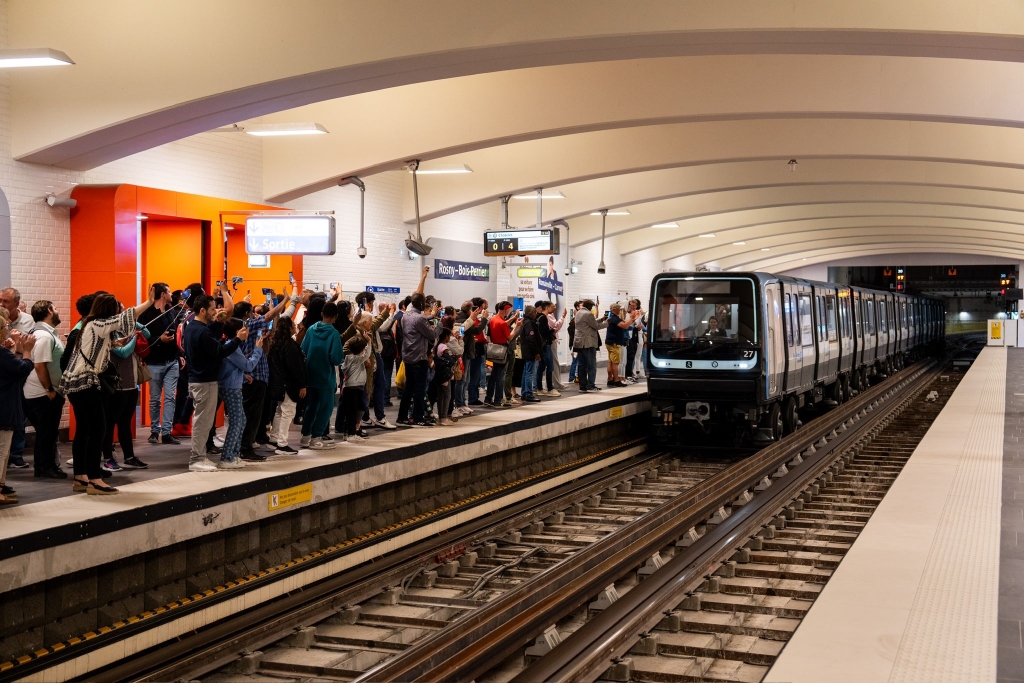
Stations like Gare du Nord, Gare de Lyon, Marseille Saint-Charles and Nice-Ville concentrate thousands of travellers at once, many juggling luggage, tickets, phones and backpacks. When attention is divided, opportunities for theft increase.
Tourist Hotspots
Popular locations such as the Eiffel Tower, Champs-Élysées, Montmartre, Vieux-Port in Marseille, central markets and summer festivals attract large crowds. Tourists stop to take pictures, check maps or browse shops, often without noticing who is close to them.
Small Mistakes That Make a Big Difference
Most people who experience a theft didn’t behave irresponsibly. They simply followed habits that thieves already know how to exploit.
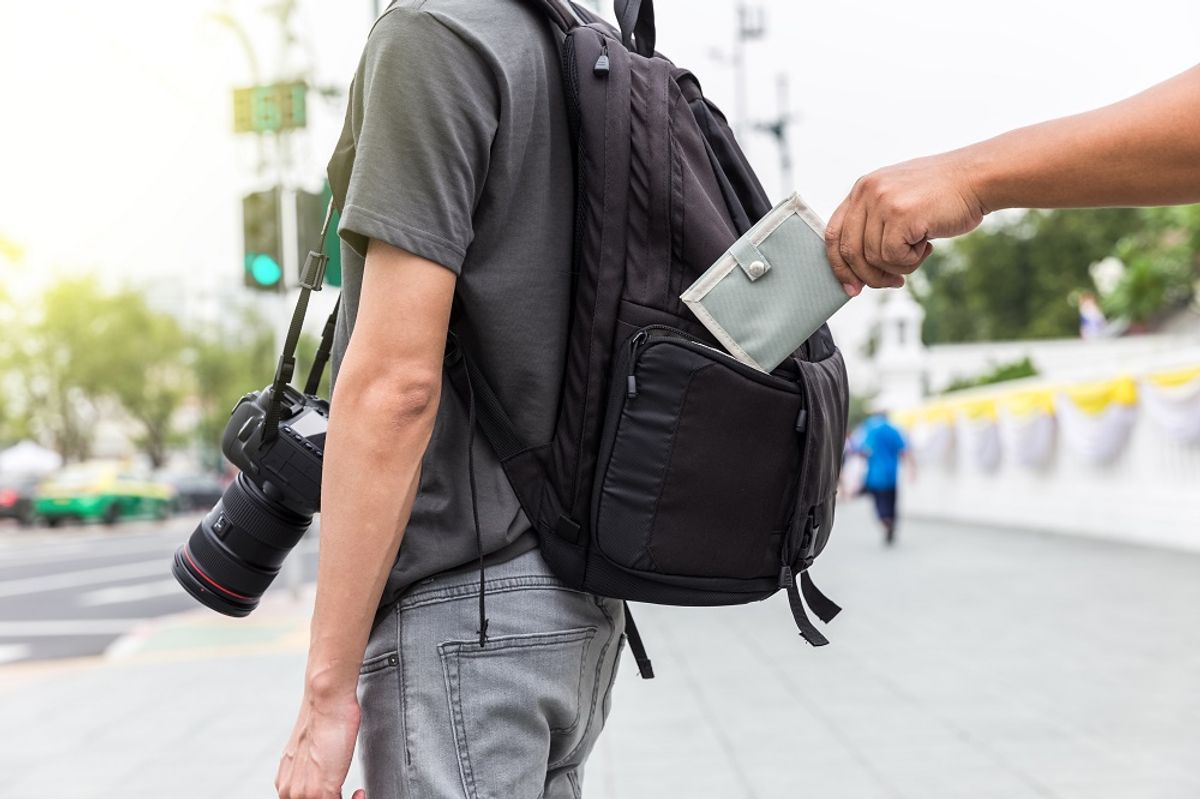
Wearing a backpack on your back
A backpack carried behind you is easy to open without detection, especially in crowded areas.
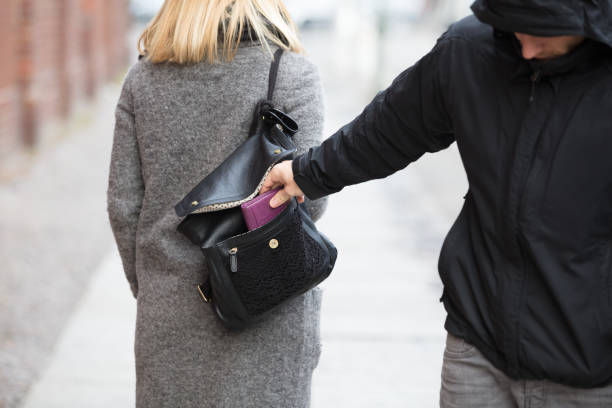
Keeping your wallet in your back pocket
This is one of the most targeted locations. A quick hand can remove the wallet without the victim feeling anything.
Keeping everything valuable in one wallet
If your wallet contains all your cash, cards and documents, a single loss becomes a major problem.
Practical Habits That Reduce Risk Immediately
These simple actions require no effort and significantly lower your chances of becoming a target.
Position your bag in front in crowded spaces
In metros, queues and pedestrian-heavy streets, carrying your bag in front of you prevents anyone from accessing it unnoticed.
Distribute your essentials
Keep one bank card in a secure pocket, some cash elsewhere and the rest in your main wallet. This ensures that losing one item does not affect everything.
Stay aware during transition moments
Pickpockets often act during natural breaks in attention: entering or exiting metro doors, stopping to check your phone, adjusting your bag or searching for something inside it.
What to Do Immediately If Your Wallet Goes Missing
Acting systematically helps minimise loss and increases the chances of recovery.
1. Retrace your last locations
Many wallets are not stolen but forgotten: on a café table, at a shop counter or inside a half-closed bag. Before assuming theft, review your previous steps calmly.
2. Freeze your bank cards through your banking app
Most banks in the US, UK and EU allow temporary card freezing. You can also review the European consumer payment protection rules to understand how liability works in case of unauthorized transactions.
3. Use technology if you have a tracking card
A slim tracking card, such as the one offered by Neverlo, stays inside your wallet and remains inactive until needed. When activated, it can:
- show the last known location
- send an alert if the wallet moves too far away
- emit a sound to help you find it quickly
This simple tool often turns a stressful situation into a manageable one.
4. File a report if documents were inside
If IDs or official documents were lost, filing a report helps prevent identity misuse and can assist authorities if the wallet is later recovered.

How a Slim Tracking Card Helps in Real Situations
Even people who are extremely careful sometimes misplace personal items. A tracking card does not prevent theft, but it increases the chances of recovery dramatically.
Distance Alerts Prevent Accidental Loss
If you leave your wallet behind in a taxi, café or store, your phone can notify you immediately when the distance becomes too large.
Location History Helps Retrace Your Path
Knowing the last recorded location is often enough to recover the item quickly.
Sound Alerts Make Searching Easier
A loud sound helps locate the wallet inside bags, between seats or in other difficult places.
It Requires No Change in Routine
You place the card inside your wallet once and forget about it until you need it.
Situations Where Extra Attention Helps
Public transport
Keep your bag close, avoid leaving pockets open and hold your phone firmly.
Café terraces
Bags placed on the floor or on the back of chairs are easy targets. Keep them in front of you.
Festivals and events
Crowded spaces with loud music and distraction create opportunities for theft. A secure, closed crossbody bag is the safest option.
Conclusion
Pickpocketing and wallet loss are often the result of brief moments of distraction in crowded areas — not irresponsibility. With a few simple habits, greater situational awareness and the support of a modern tracking card, you can significantly reduce the risk and increase your chances of recovering a lost item.
France’s cities will always be lively, fast-moving and full of energy.
The key is to enjoy them confidently while protecting what matters.